November 25, 2026
Maintaining a comfortable and energy-efficient home requires much more than simply adjusting a wall dial whenever the outdoor weather shifts. Many homeowners underestimate the mechanical complexity of their climate control equipment until an unexpected failure occurs during extreme summer heat or winter frost. Experienced HVAC technicians emphasize that consistent, proactive care is the secret to extending equipment lifespan and avoiding costly emergency repairs. Following proven industry practices allows you to maximize indoor comfort while keeping your monthly utility expenses firmly under control throughout the entire year.
Schedule Routine Maintenance and Inspections
Annual preventative maintenance is the single most effective way to ensure your heating and cooling equipment operates at peak capacity. Certified HVAC technicians recommend scheduling comprehensive tune-ups twice each year to prepare your system for heavy summer and winter workloads. During these thorough visits, specialists inspect electrical connections, lubricate moving components, calibrate controls, and check refrigerant levels to catch minor wear before it escalates into a major breakdown. Investing a modest amount in routine service consistently prevents premature system failure, improves operational safety, and preserves valuable manufacturer warranty coverage.
Replace Dirty Air Filters Regularly
Changing dirty air filters is a simple household task that delivers immediate benefits for both indoor air quality and mechanical efficiency. When dust, pollen, and pet dander clog a filter, restricted airflow forces the blower motor to work significantly harder, driving up electricity consumption and accelerating component wear. Most HVAC technicians advise inspecting your filter every thirty days and replacing it at least once every one to three months depending on household occupancy and indoor pets. Keeping fresh, clean filters in place protects delicate internal coils from debris buildup while helping family members breathe cleaner air every day.
Clean Evaporator and Condenser Coils
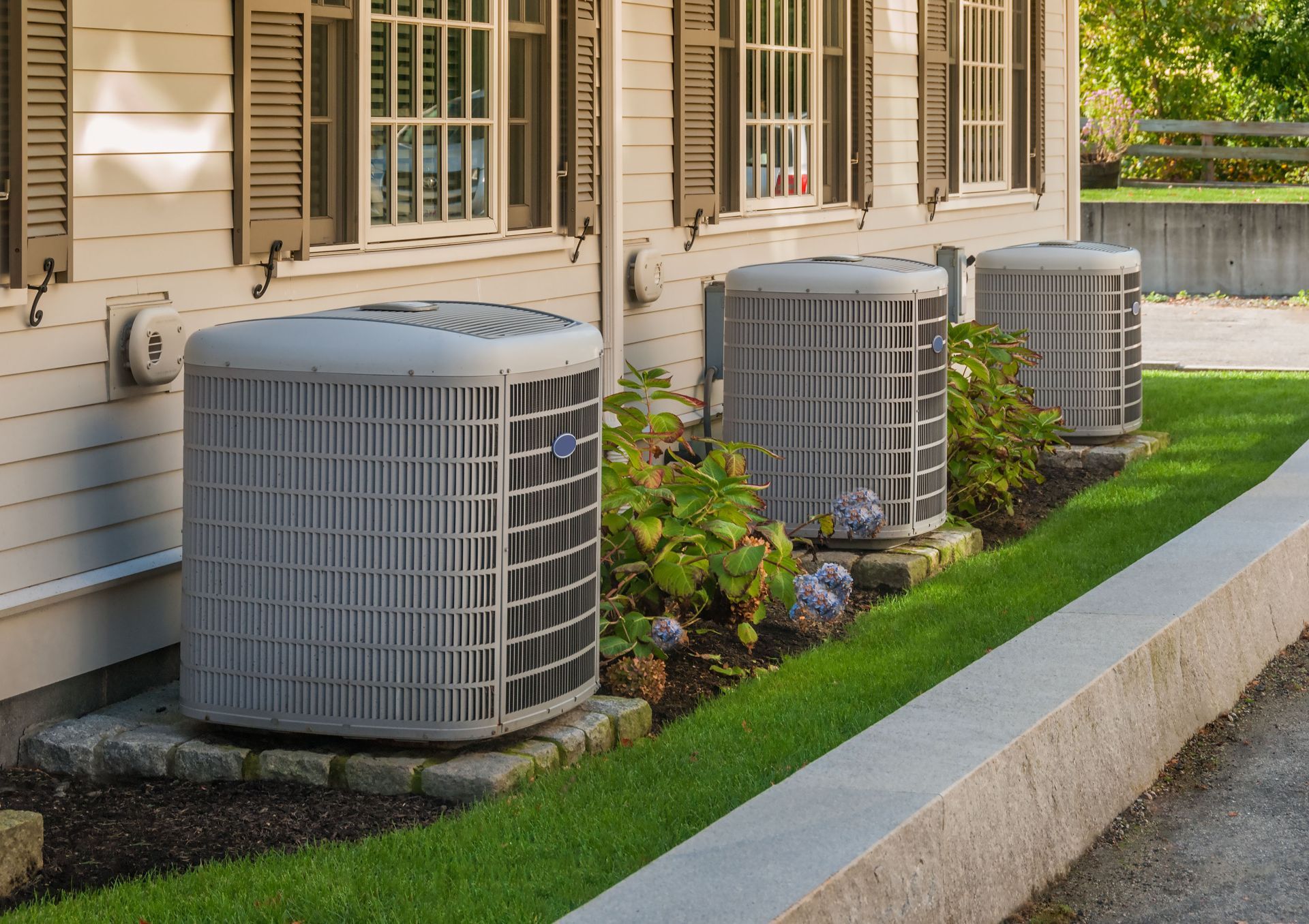
Over months of continuous operation, stubborn layers of dirt and grime accumulate on your system's evaporator and condenser coils, severely insulating them and blocking proper heat transfer. Dirty coils force your air conditioner or heat pump to run noticeably longer cycles to reach your desired indoor temperature, resulting in unwelcome spikes on your monthly energy bills. Having HVAC technicians professionally clean these delicate components annually restores thermal efficiency and relieves unnecessary strain on the compressor. Homeowners can also support outdoor airflow between professional visits by gently rinsing surface dirt from the exterior unit and keeping nearby shrubs trimmed back at least two feet.
Seal and Insulate Home Ductwork
Your ductwork functions as the circulatory system of your home, yet hidden leaks and inadequate insulation frequently waste up to thirty percent of conditioned air. Disconnected joints, crushed flex ducts, or tiny cracks inside unconditioned attics and crawlspaces allow heated or cooled air to escape before ever reaching your living spaces. Skilled HVAC technicians can perform diagnostic pressure tests to locate hidden air leaks and seal them permanently using durable mastic sealant or specialized metal foil tape. Properly insulated and sealed ducts balance temperatures across every room, reduce household dust circulation, and dramatically lower overall energy waste.
Optimize Your Daily Thermostat Settings
Upgrading to a programmable or smart thermostat gives you precise control over your home's indoor climate while eliminating unnecessary energy expenditure. Setting automatic temperature setbacks while your family is asleep or away at work prevents your heating and cooling equipment from conditioning an empty house for hours on end. Industry specialists often note that adjusting your thermostat by just seven to ten degrees for eight hours a day can trim annual heating and cooling costs by up to ten percent. Modern smart models also provide helpful filter reminders, track real-time energy usage, and allow remote adjustments directly from your smartphone.
Prepare Equipment for Seasonal Transitions
Extreme seasonal shifts place heavy demands on mechanical equipment, making proactive weatherization essential before summer heatwaves or winter freezes arrive. In the autumn, homeowners should clear fallen leaves from outdoor units, inspect insulation around exposed refrigerant lines, and test heating elements well ahead of the first cold snap. Before summer begins, flushing condensate drain lines and verifying proper airflow ensures your cooling system can handle prolonged high temperatures without tripping circuit breakers. Seasoned HVAC technicians stress that dedicating a few minutes to seasonal preparation eliminates the frustration of mid-season breakdowns when service schedules are busiest.
Monitor System Performance and Ratings
Paying attention to how your equipment performs on a daily basis helps you spot declining efficiency and understand the true value of high-efficiency ratings. Metrics such as Seasonal Energy Efficiency Ratio and Annual Fuel Utilization Efficiency measure how effectively a unit converts electricity or fuel into reliable indoor comfort. Tracking your monthly utility bills alongside runtime duration reveals gradual drops in performance that might otherwise go unnoticed until the equipment stops working altogether. Reviewing your owner's manual also clarifies proper operational settings and helps you recognize normal performance baselines for your specific make and model.
Recognize Early Signs of Trouble
Listening closely to how your system sounds, smells, and cycles allows you to address mechanical faults before they cause catastrophic, expensive damage. Unusual noises such as banging, squealing, clicking, or grinding typically indicate loose hardware, failing motor bearings, or worn belts that require prompt mechanical attention. Short cycling, where the unit turns on and off rapidly without completing a full heating or cooling cycle, also signals underlying issues like faulty sensors or improper refrigerant charges. Calling HVAC technicians at the first sign of uneven room temperatures or unexplained utility spikes saves money and protects expensive components from permanent failure.
Upgrade to High-Efficiency Heating and Cooling
When an aging unit requires frequent, costly repairs, investing in modern, high-efficiency replacement equipment often proves far more economical over the long term. According to research published by WebFX, homeowners and businesses replace 14.3 million HVAC units every single year to improve reliability and curb rising utility expenses. The transition to newer models can lead to significant energy savings and reduced maintenance costs, making it a financially wise decision. Modern variable-speed systems adjust their mechanical output incrementally rather than running constantly at full blast, delivering whisper-quiet operation and superior indoor humidity control. These advanced systems not only contribute to a more comfortable indoor environment but also extend the lifespan of the equipment by reducing wear and tear. Many utility providers and manufacturers also offer seasonal rebates and flexible financing programs that make upgrading outdated equipment much easier on your household budget.
Select Properly Sized Replacement Units
Achieving maximum comfort and efficiency from a new heating and cooling installation depends heavily on selecting equipment tailored to your home's exact thermal requirements. An oversized unit cools or heats the air too quickly without properly removing humidity, leading to clammy rooms, excessive cycling, and premature mechanical wear. Conversely, an undersized system runs continuously during extreme weather without ever reaching your desired thermostat setting, driving up energy bills while straining vital parts. Consulting knowledgeable HVAC technicians ensures your new equipment is properly sized using precise load calculations rather than rough estimates, guaranteeing optimal comfort and maximum energy savings.
Putting these practical strategies into action empowers you to protect your home investment, lower monthly utility bills, and enjoy reliable indoor comfort throughout every season. Consistent preventative care and timely upgrades keep your heating and cooling equipment running smoothly when your family needs it most. Whether you need a seasonal tune-up, rapid emergency diagnostics, or a complete high-efficiency system installation, trust the dedicated team at BIM Heating and Cooling to deliver honest advice and exceptional workmanship. Contact BIM Heating and Cooling today to schedule your next service appointment and experience dependable, year-round home comfort.